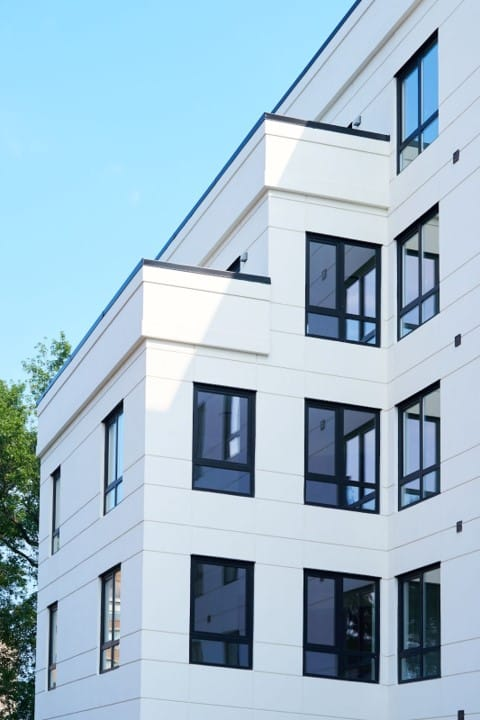

Fenestrations, or the arrangement and design of windows in a building, play a crucial role in ensuring a safe and enjoyable living experience for tenants in multifamily residences.
Architects and developers have a responsibility to carefully consider various factors when selecting and placing windows to enhance the functionality, aesthetics, and overall comfort of the living spaces.
In this article, we explore 11 important factors that contribute to selecting the suitable window for multifamily residences.
1. Budget Constraints
Naturally, the biggest factor on this list is budget constraints.

Multifamily buildings require a large quantity of windows. The slight difference in price per window adds up to a significant amount when purchasing for entire buildings.
Balancing costs and its potential impact on profitability compared to the list of other factors is a difficult task that must be done with one’s own discretion.
2. Functional Requirements
There are functional requirements required to be met by windows installed in a multifamily building.
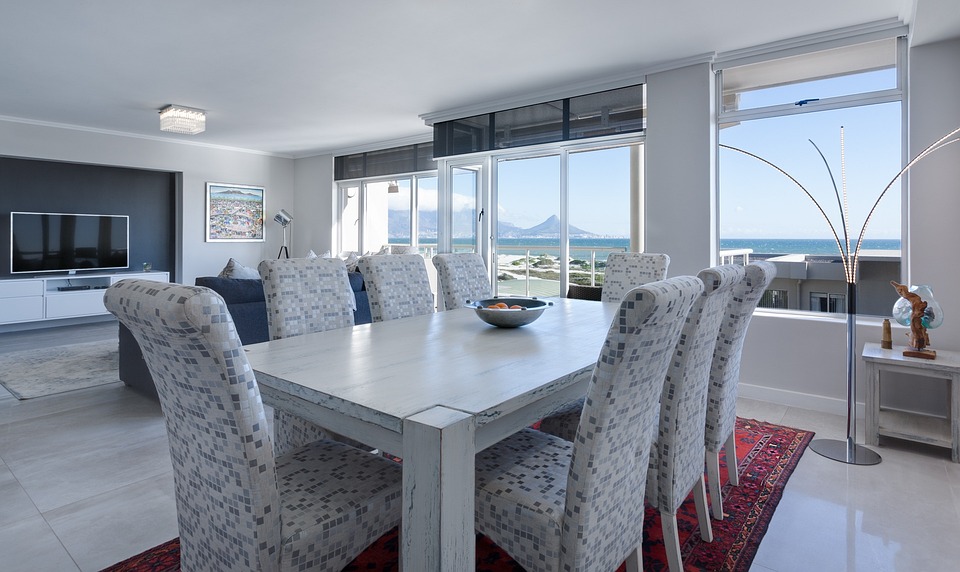
Views: Well-placed windows offer pleasing vistas, enhancing the living experience.
Light: Properly sized and positioned windows maximize daylight, promoting well-being and reducing reliance on artificial lighting, further contributing to energy efficiency.
Ventilation: Windows enable fresh air circulation, crucial for indoor air quality and comfort, especially in shared spaces.
Thermal Performance (SHGC): Windows with appropriate SHGC ratings regulate heat transfer, optimizing energy efficiency and indoor comfort.
In multifamily buildings, these factors are crucial for creating comfortable, sustainable living spaces that prioritize residents’ well-being and satisfaction.
3. Aesthetics vs Performance
Within the varying degrees of budget constraints, developers must strike a balance between aesthetics and performance. The window must match the design and style of the building while meeting performance requirements, such as energy efficiency and soundproofing.
For a suggestion, uPVC is a great material for windows, with its great performance but with film and textured options to create a wide variety of appearance. Furthered by its lower cost, it is a great option.
4. Technical Differences
It is important to note that selecting windows for single-family homes and multifamily buildings carry important differences.
Here’s basic a breakdown of the importance of fenestrations in a few contexts:
Building Type: Single-family homes are occupied by one family, allowing for individual design preferences, while multifamily residences accommodate multiple families within a shared space, requiring consideration for diverse needs.
Price: Single-family homeowners may prioritize premium features and customized designs. While it is important for multifamily buildings to focus on cost efficiency due to scale and profitability concerns. Furthermore, it is not just about reducing initial costs, but overall savings in the long run. For example, proper thermal ability windows have a huge impact on energy costs for any structure in the far future.
Acoustic Quality: Single-family homeowners may prioritize aesthetics over soundproofing. In multifamily buildings, soundproofing is crucial for resident comfort and well-being.
5. Installation Considerations
Installing a window comes with a variety of considerations.
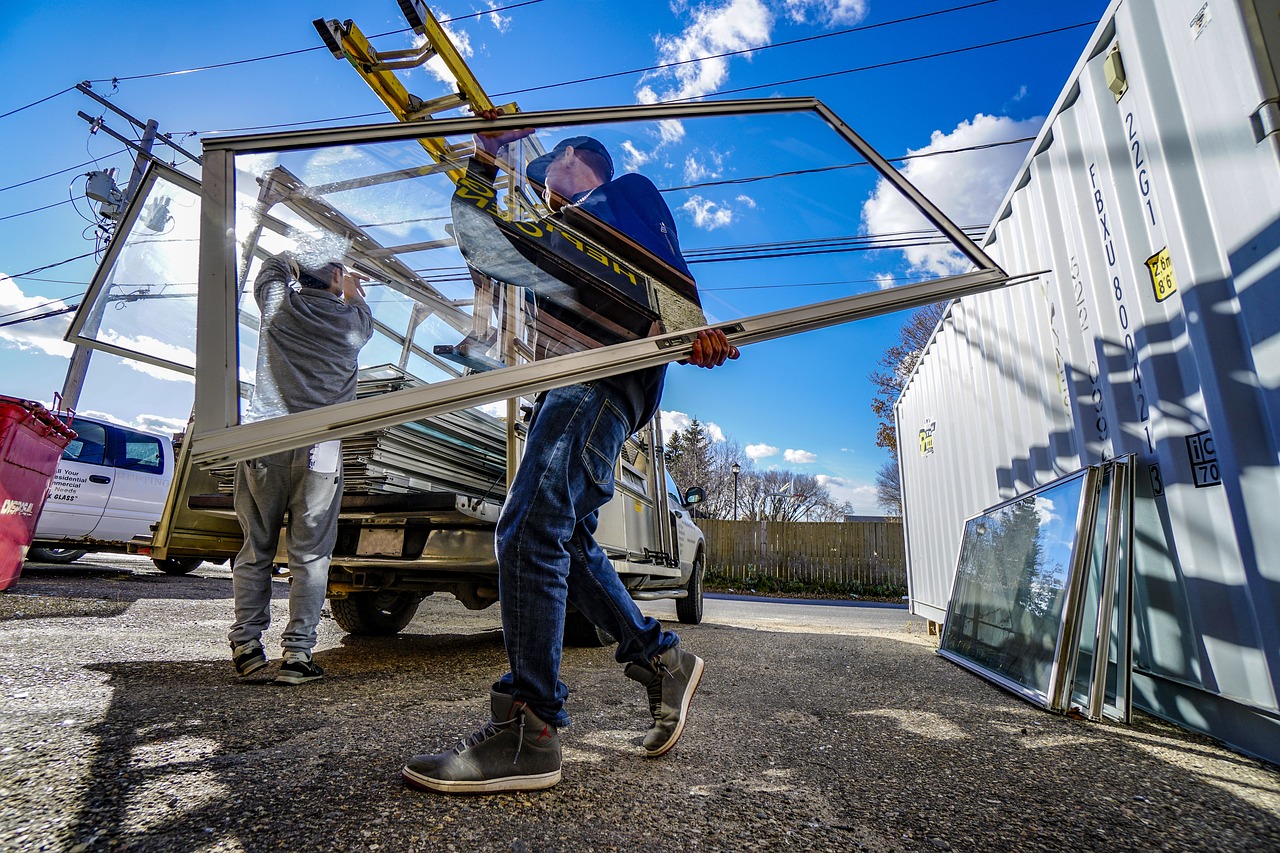
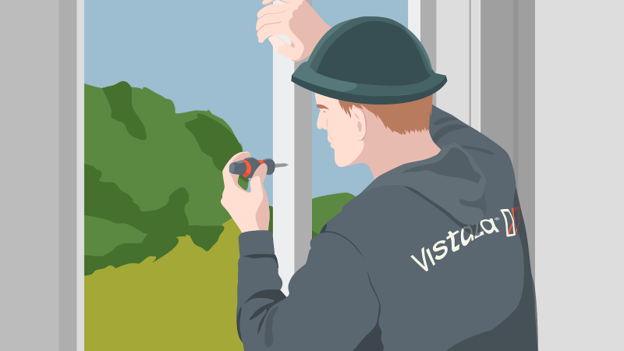
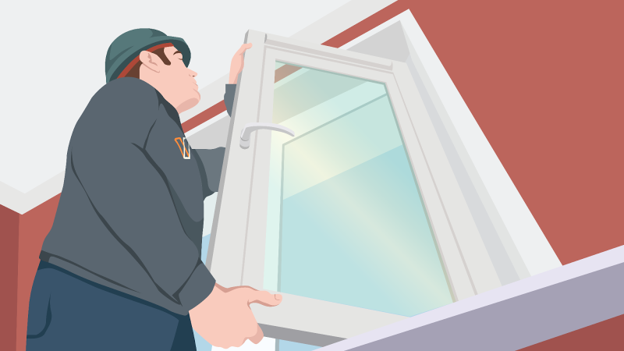
It is paramount that windows are installed correctly to prevent any form of leakage or damage.
Selecting the right supplier is also important for installations. Expert suppliers will provide clear instructions on how to properly install the windows.
There are also different installation options. Certain windows are installed from the inside while others are from the outside.
6. Considerations for Urban Areas
Building multifamily buildings is different in urban areas and less densely populated areas. Possible challenges to consider for installing windows in urban areas are as follows:
Sound Transmission: Multifamily buildings in urban areas contend with higher levels of ambient noise from traffic, construction, and other urban activities.
Installation Challenges: Limited space and accessibility in urban environments can pose challenges during window installation in multifamily buildings. Logistics such as traffic congestion, narrow streets, and limited parking may complicate the delivery of window materials and equipment.
Durability: Multifamily buildings in urban areas are often subjected to higher levels of environmental stressors such as pollution, humidity, and temperature fluctuations, which can accelerate wear and tear on windows.
7. Material Selection
There is a large selection of materials to choose frames. Choices between wood, aluminum or uPVC frames are common, and come with advantages and downsides in terms of costs, style and maintenance.
8. Code Compliance
Windows in buildings must adhere to relevant building codes and performance standards to ensure safety, energy efficiency, and occupant comfort.
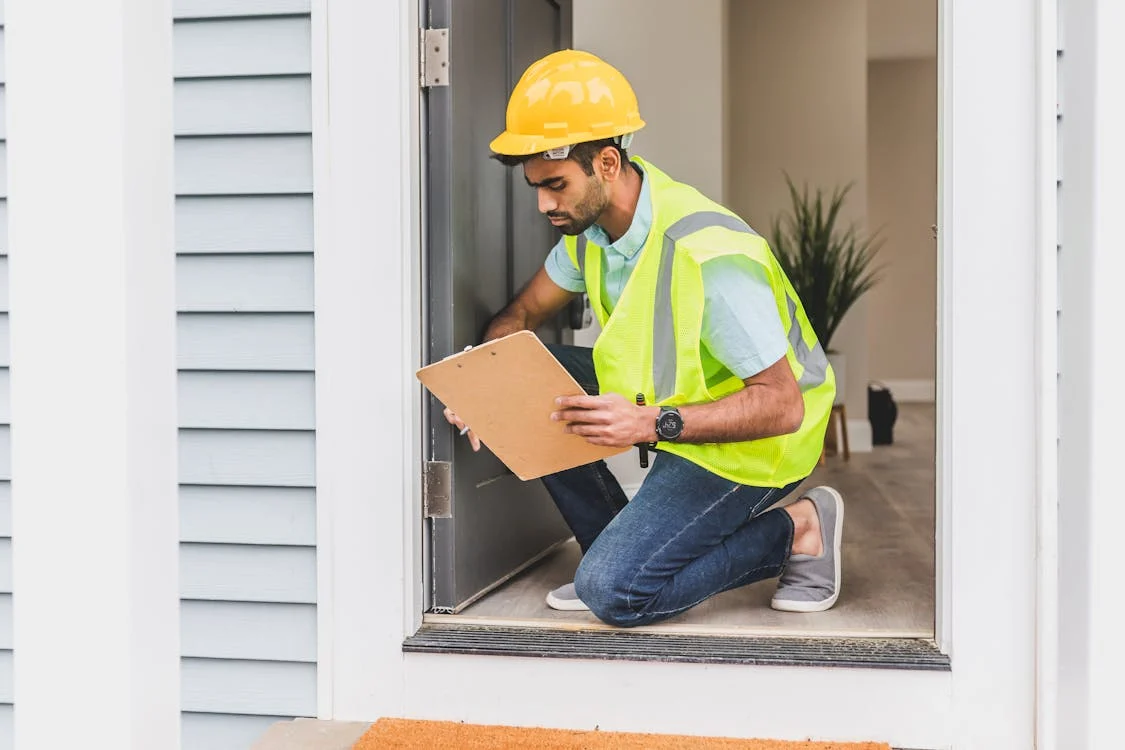
Different classes of windows are available, each suited for various applications based on factors such as location, climate, and building type.
The New York City Energy Conservation Code (NYCECC) 2020 is an example of a stringent set of regulations that govern energy efficiency standards for buildings in New York City.
Specific requirements for factors such as U-factor, Solar Heat Gain Coefficient (SHGC), and air leakage for windows, aiming to minimize energy consumption and greenhouse gas emissions. Windows must meet or exceed these performance criteria to comply with the code.
For more information on the NYCECC 2020 and its implications for window selection and design, refer to resources such as our Developer Guide to NYCECC 2020.
9. Innovations in Window Design
Innovations in window design have led to a variety of operating mechanisms, offering options like traditional operable windows, tilt-and-turn, sliding, folding, and motorized windows.
Selecting the right operation is crucial for optimizing ventilation, security, energy efficiency, and aesthetics in buildings. Depending on a few factors, the specifics of the window design should ideally be selected to suit the function and aesthetics of the living space.
10. Maintenance and Reliability
Maintenance and liability are crucial considerations for building owners when it comes to windows. Factors such as production issues, maintenance requirements, and liability for the building owner should be carefully considered.
It’s essential to work with reputable manufacturers and suppliers who offer warranties and adhere to quality control standards to address any production issues. Regular maintenance is key to ensuring the longevity and performance of windows, and building owners should be aware of their responsibilities in this regard to minimize liability risks.
Choosing reliable installers who have experience and adhere to safety protocols is essential for proper installation and mitigating potential issues. Overall, prioritizing maintenance and working with reputable partners helps ensure the safety, longevity, and performance of the windows in buildings.
11. Testing and Quality Assurance
Testing and quality assurance are essential aspects of ensuring the performance and longevity of windows in buildings.
Testing windows for leakage and implementing quality assurance measures during installation are essential practices recommended by architects to ensure the performance, compliance, and longevity of windows in buildings. By prioritizing testing, quality control, and adherence to installation guidelines, architects can help prevent future problems and enhance the overall performance of buildings.
How Vistaza Can Help
Vistaza offers a diverse range of window products designed to meet various requirements, preferences, and architectural styles. Whether you’re looking for energy-efficient options, innovative designs, or customizable features, Vistaza has solutions to suit your needs.
Have a word with our experts and discover the options available to you.